
Improve Knee Arthritis Symptoms with Home Physiotherapy
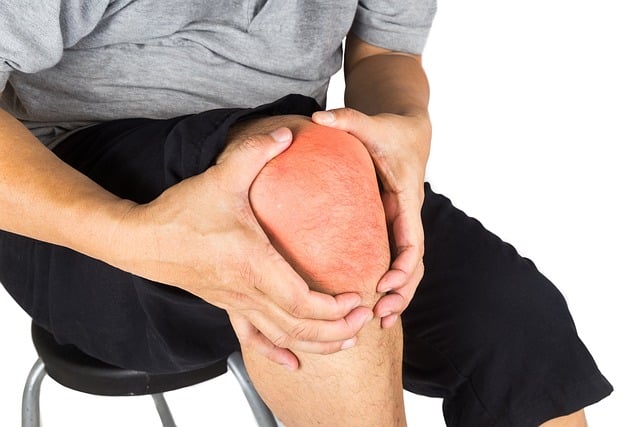
Knee arthritis is a common challenge as we age, especially for those of us living in rural areas where daily tasks often demand a lot from our joints. Whether it’s tending to the garden, taking care of livestock, or simply enjoying the great outdoors, knee pain can put a damper on our activities. But don’t worry—there’s a lot you can do at home to manage your symptoms and keep moving comfortably. As someone who’s been helping people manage knee arthritis for years through in-home physiotherapy, I’ve seen firsthand how a few simple strategies can make a world of difference.
Understanding Knee Arthritis
What Is Knee Arthritis?
Knee arthritis is the inflammation of the knee joint that causes pain, swelling, and stiffness. The most common type is osteoarthritis, where the cartilage that cushions your knee joint wears down over time. Another type, rheumatoid arthritis, is an autoimmune condition where the body attacks its own joints.
Arthritis can develop slowly, with early signs being a bit of stiffness in the morning or discomfort after a day of hard work. But ignoring these signs often leads to more serious pain and limited mobility. That’s why it’s crucial to start taking care of your knees as soon as you notice any symptoms.
Essential Physiotherapy Tips for Knee Arthritis
Regular Low-Impact Exercise
Keeping your knees moving is one of the best ways to manage arthritis. Exercise helps to strengthen the muscles around your knee, providing better support, and it also maintains flexibility.
For those living in Norfolk or Suffolk, there are plenty of low-impact activities that fit seamlessly into a rural lifestyle. Walking is fantastic, especially on softer surfaces like grass or dirt paths. If you have a bike, cycling is another excellent way to stay active without putting too much pressure on your knees. And if you have access to a pool, swimming is perfect since the water supports your weight, reducing the strain on your joints.

I remember working with a client in rural Suffolk who loved gardening but was struggling with knee pain. We incorporated gentle stretching and strengthening exercises into her daily routine. Soon, she was back to planting flowers and tending to her vegetable patch with much less discomfort. The key was consistency—just a little bit every day can make a huge difference.
Simple Exercises You Can Do at Home
Here are a few exercises you can try at home:
- Leg Raises: Lie on your back with one leg bent and the other straight. Slowly lift the straight leg off the ground and hold for a few seconds. Repeat 10-15 times on each leg.
- Hamstring Stretch: Sit on the edge of a chair with one leg straight out in front of you. Gently lean forward, keeping your back straight, until you feel a stretch in the back of your thigh. Hold for 20-30 seconds.
- Quadriceps Stretch: Stand with one hand on a wall for balance. Grab your ankle and pull your heel towards your buttock. Hold the stretch for 20-30 seconds and then switch legs.
Weight Management
Carrying extra weight puts more pressure on your knees, which can make arthritis symptoms worse. By managing your weight, you can reduce this strain and alleviate some of the pain.
Eating a balanced diet with plenty of fresh fruits, vegetables, and lean proteins is essential. If you’re in the habit of cooking at home, focus on whole foods and avoid processed options. Even small weight losses can lead to significant improvements in knee pain.
Heat and Cold Therapy
Both heat and cold treatments can help manage arthritis symptoms, and they’re easy to do at home. Heat can ease stiffness, making it a good choice before you start moving in the morning. A warm bath or a hot pack applied to the knee can do wonders.
Cold therapy, on the other hand, is best for reducing swelling and numbing sharp pain. An ice pack wrapped in a towel and applied to the knee for 15-20 minutes can provide quick relief after a long day on your feet.
Supportive Devices and Footwear
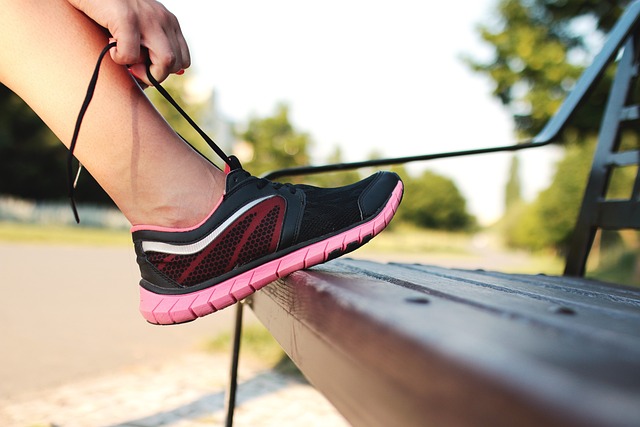
Sometimes, a little extra support can make all the difference. Wearing the right shoes is crucial—look for ones with good arch support and cushioning. If you’re dealing with more severe pain, a knee brace or sleeve can provide added stability, especially if you’re engaging in physical work.
I had a client in Norfolk who was a postman and was struggling with his daily rounds due to knee pain. We found that a simple knee brace and switching to better-cushioned footwear helped him continue his job without as much discomfort.
Posture and Movement Modifications
It’s easy to forget how much our daily movements impact our joints. Simple changes, like bending your knees when lifting something heavy or using a stool instead of squatting, can help protect your knees.
If you find yourself sitting for long periods, be sure to stand up and move around every hour. Conversely, if you’re on your feet all day, take a few moments to sit and rest, giving your knees a break.
When to Seek Professional Help
While these tips can significantly help manage knee arthritis at home, there may come a time when you need extra support. If you’re finding that your symptoms are worsening despite your best efforts, it might be time to consider professional help.
Private home physiotherapy can be a great option, especially if you’re in a rural area where accessing a clinic might be challenging. Services like in-home physiotherapy or even care home physiotherapy can bring expert care to your doorstep. If you’re looking for help, give us a call!
Conclusion
Managing knee arthritis doesn’t have to be overwhelming. By incorporating these simple physiotherapy tips into your daily routine, you can keep your knees healthy and stay active, no matter where you live. Remember, a little effort each day can go a long way in maintaining your mobility and reducing pain. And if you ever need a bit more help, don’t hesitate to reach out to a home physiotherapist who can tailor a plan just for you.
Your knees have carried you this far—let’s keep them going strong for many more years!